

Officially Established in the Solomon Islands in 1992, Fiji in 1995, the Kingdom of Tonga in 2000 and Vanuatu in 2001.
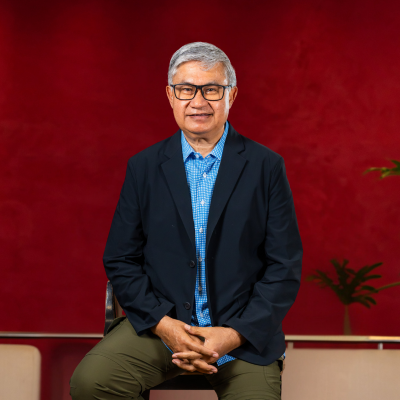
Field Strategy Coordinator
The South Pacific Field, encompassing the island nations of Samoa, Fiji, Solomon Islands, and Vanuatu, represents a vibrant and culturally diverse region of the Pacific where Christianity has a strong historical presence alongside ongoing opportunities for mission and discipleship. Across these nations, populations are largely composed of indigenous Pacific Islander people groups with deeply rooted communal traditions and multilingual societies. For example, the Solomon Islands alone include 74 people groups with a population of about 814,000, of which only one group remains classified as unreached, representing roughly 0.4% of the population. Christianity is widely practiced across the region—exceeding 90% adherence in some countries—yet spiritual formation, leadership development, and outreach among minority and culturally distinct communities remain important ministry priorities. Together, the South Pacific Field reflects both significant gospel impact and continued opportunities to strengthen churches, equip local leaders, and engage remaining unreached communities throughout the islands.
Officially established in 2000
American Samoa is a small island territory in the South Pacific with a population of around 50,000 people. Christianity plays a central role in daily life, deeply influencing culture, family, and community traditions.
The Church of the Nazarene continues to minister through local churches, focusing on discipleship, family life, and community outreach. It serves as a place of spiritual growth and support in a close-knit island society.
Officially established in 1995
Fiji has a population of around 900,000 people and is known for its rich cultural diversity, including indigenous Fijian and Indo-Fijian communities. Christianity is widely practiced across the islands.
The Church of the Nazarene in Fiji actively engages in church planting, discipleship, and leadership development. It ministers across diverse communities while strengthening local churches and nurturing future leaders.
Officially established in 2000
Samoa has a population of over 200,000 people and is strongly rooted in Christian faith and traditional cultural values known as fa’a Samoa (the Samoan way).
The Church of the Nazarene serves within this deeply relational culture by focusing on discipleship, community involvement, and leadership development. It continues to grow through strong family and church connections.
Officially established in 1992
The Solomon Islands has a population of over 800,000 people and is made up of many islands with diverse languages and cultures. Christianity is widely practiced across the nation.
The Church of the Nazarene ministers among various people groups, focusing on strengthening churches, equipping leaders, and reaching remaining unreached communities. It continues to play an important role in spiritual formation across the islands.
Officially established in 2000
Tonga has a population of around 100,000 people and is known for its strong Christian identity and royal heritage. Faith and family are central to Tongan life.
The Church of the Nazarene is actively involved in discipleship, community care, and compassionate ministries. Through efforts like support programs for families and children, the church continues to bring hope and transformation.
Officially established in 2001
Vanuatu has a population of around 300,000 people and is culturally diverse, with many languages and island communities. Christianity is widely practiced alongside traditional customs.
The Church of the Nazarene continues to grow through church planting, discipleship, and leadership training. It serves communities by building strong local churches and engaging people across the islands.
Great things are happening in the South Pacific Field, however, the task before us is greater than human resources alone can accomplish. We desperately need the work and power of the Holy Spirit to see God’s Kingdom realized.